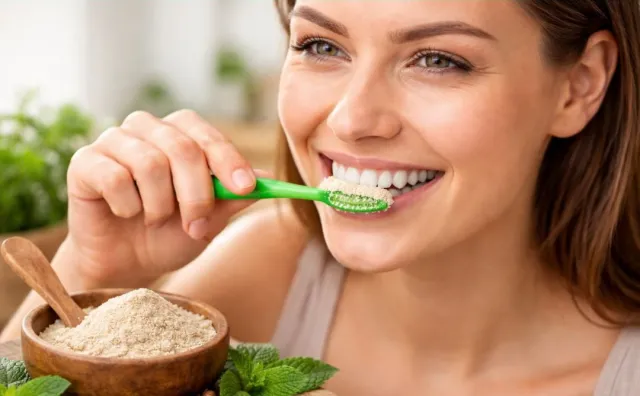

Herbal tooth powder vs chemical toothpaste: which is better?
A side-by-side look at ingredients, foam, flavour and long-term gum care, so you can choose with confidence.
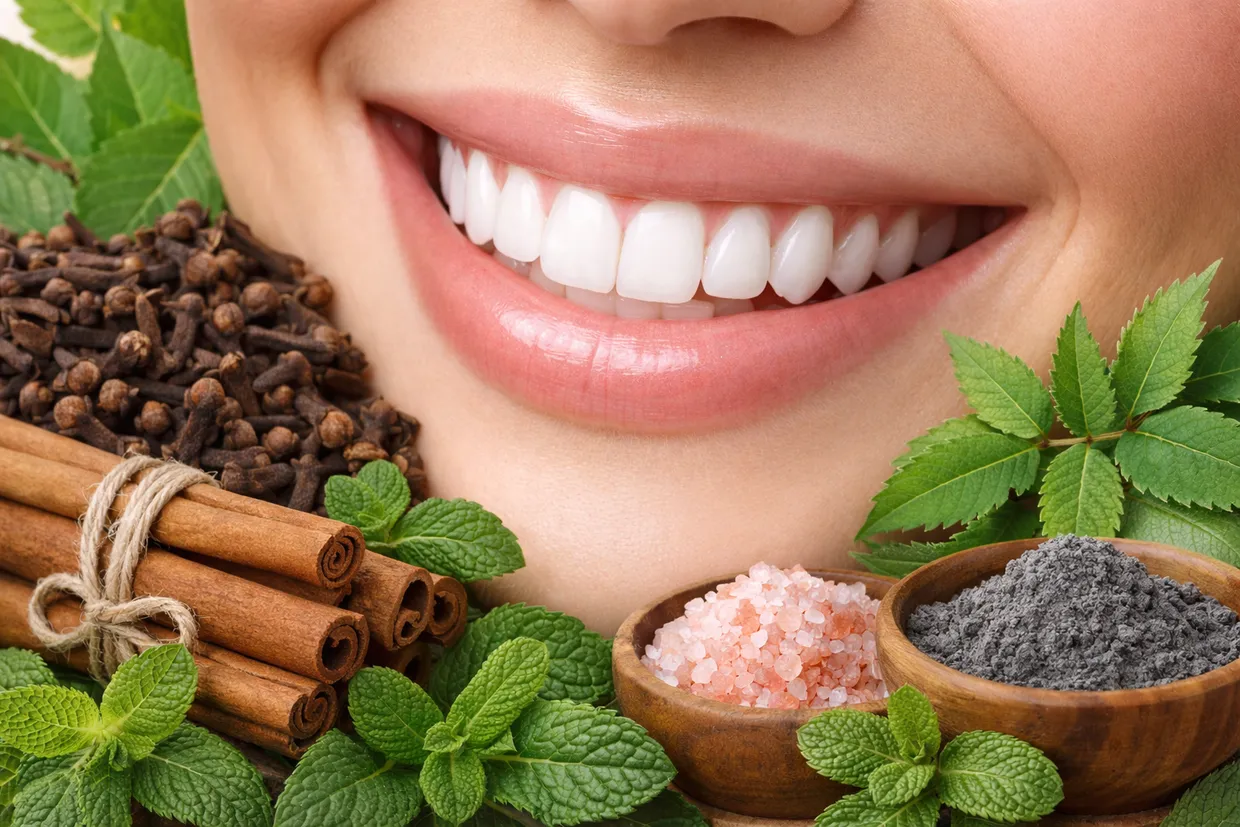
When it comes to daily oral care, most people pick up a toothpaste without checking the ingredient list. With growing awareness about natural living, many are now exploring natural herbal tooth powder as a gentler, more holistic alternative.
But which one truly supports long-term dental health? Let’s take a closer look.
What is natural herbal tooth powder?
A natural herbal tooth powder is made from plant-based ingredients such as neem, clove, mint and other traditional herbs used for generations in Indian oral care.
Unlike conventional toothpaste, herbal tooth powders typically:
- don’t contain artificial foaming agents,
- avoid synthetic flavours and colours,
- skip chemical preservatives, and
- rely on herbs traditionally valued for keeping the mouth clean.
The goal isn’t just surface cleaning, but overall gum and oral wellness.
What is chemical toothpaste?
Most commercial toothpastes contain manufactured compounds designed for whitening, foaming and cavity protection. Common ingredients include fluoride (in regulated amounts), sodium lauryl sulfate (SLS), artificial sweeteners, synthetic preservatives and colouring agents.
These ingredients help with plaque control and freshness, but some people find that strong foaming agents leave their gums irritated or their mouth dry. It’s worth noticing how your own mouth responds to different formulations.
Key differences
| Feature | Natural herbal tooth powder | Chemical toothpaste |
|---|---|---|
| Ingredients | Plant-based herbs and minerals | Synthetic and natural mix |
| Foam | Light, natural | High (foaming agents like SLS) |
| Additives | None in well-made powders | Sweeteners, preservatives, colours |
| Focus | Gum care and balance | Whitening, foam and fluoride protection |
| Packaging | Often reusable or recyclable jars | Plastic tubes, hard to recycle |
Gum health
Herbs like neem and clove have a long tradition in gum care and may help keep gums healthy and breath fresh. Toothpaste tends to focus on whitening and foam.
Long-term use
Many people prefer herbal tooth powder for long-term use because it avoids continuous exposure to synthetic substances. Toothpaste is widely used and regulated; some simply prefer a more natural approach.
Sensitivity
Herbal formulations are often considered gentler because they avoid harsh detergents. People who find strong foaming agents irritating sometimes switch for this reason. Individual results vary.
Why more people are switching to natural oral care
Today’s consumers are more ingredient-conscious than ever. Because oral care products are used every day, many people are re-evaluating what goes into their routine. A well-formulated natural herbal tooth powder can help keep teeth clean, support gum strength, freshen breath naturally and fit a chemical-conscious lifestyle.
How to use natural herbal tooth powder
- 01Wet your brushUse a soft-bristled toothbrush and wet it thoroughly.
- 02Dip in powderDip the bristles into the jar to pick up about half a gram.
- 03Brush gentlyBrush for 2–3 minutes, starting with the inner surfaces.
- 04Rinse wellRinse thoroughly with water for a fresh, clean finish.
Use twice daily for consistent oral care.
Making an informed choice
Choosing between herbal tooth powder and toothpaste comes down to personal preference, dental needs and how your body responds. Some people prefer the familiarity and fluoride protection of toothpaste; others prefer a plant-based powder with traditional roots.
Final thoughts
Both herbal tooth powder and toothpaste clean teeth. As awareness of natural wellness grows, more people are choosing herbal alternatives as part of a holistic lifestyle.
If you’re considering switching, read the ingredients, consult your dentist if needed, and choose what fits your oral health goals. Your smile deserves thoughtful care.
Next: is Ayurvedic tooth powder safe for daily use?
This article is for general information and isn’t a substitute for professional dental or medical advice. If you have persistent symptoms, please see a dentist.